Why Paid Traffic Converts Poorly: Find the First Unanswered Landing-Page Question
A paid click is not proof of intent. Learn how to find the first question your landing page leaves unanswered—and what to test before rewriting the campaign.
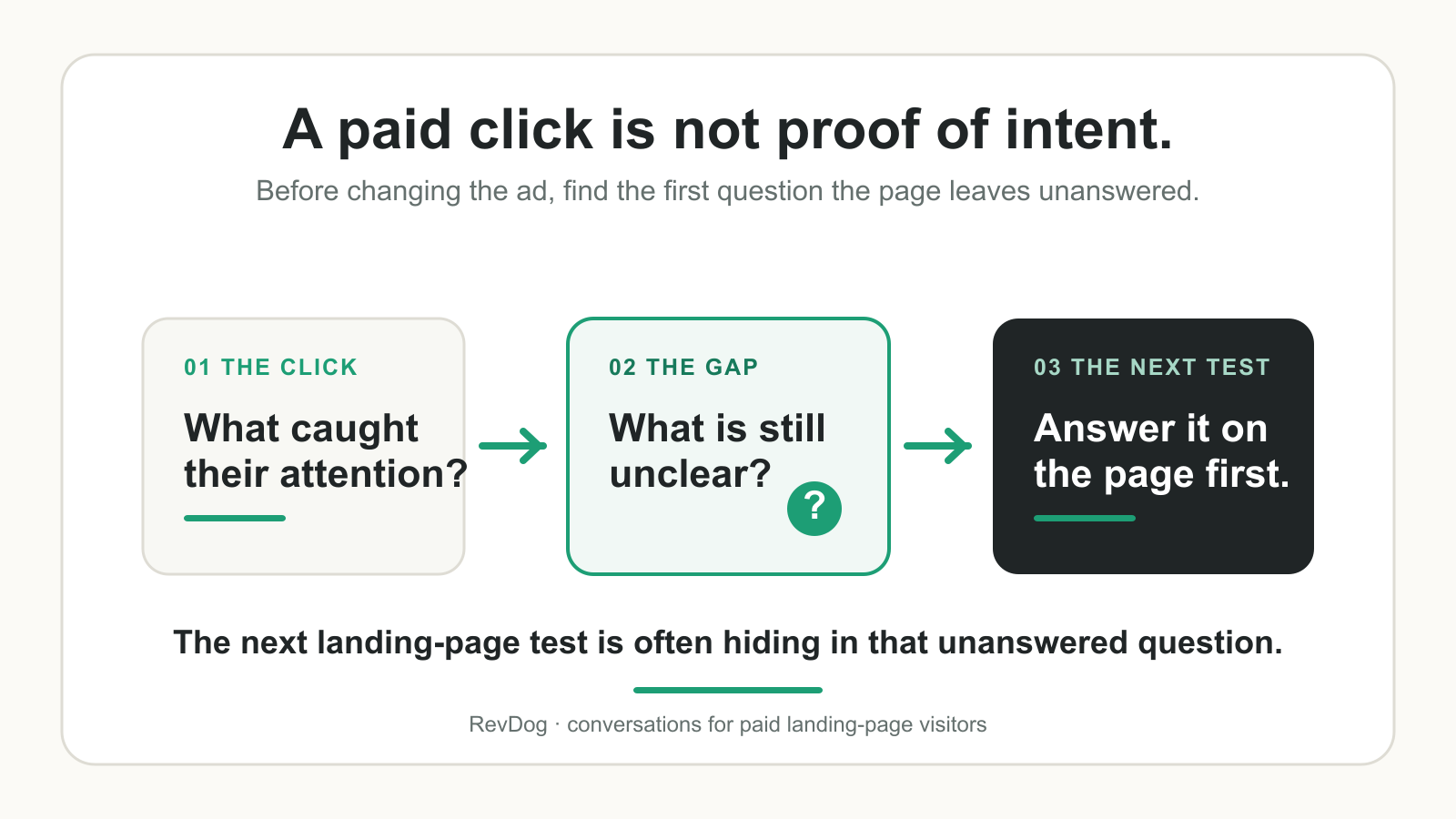
Paid traffic has a bad habit of being blamed for landing-page problems.
The campaign gets clicks. The page does not convert. Someone calls the traffic low-intent, changes the targeting, swaps the creative, and sends more people into the same experience.
Sometimes the traffic really is wrong. Often, though, the click did exactly what it was supposed to do: it got a relevant person to the page. The leak happens after that.
The visitor arrived with a question. The page did not answer it quickly enough, clearly enough, or in the order they needed. They leave, and the dashboard records another bounce.
That is why a paid click is not proof of intent. It is proof that something caught a person's attention. The next job is to understand what they still need to know before they can act.
The handoff is where paid conversion is won or lost
An ad makes a compact promise. It earns a click with a specific angle: save time, reduce cost, replace a tool, improve a workflow, see a result.
Your landing page has a much harder job. It needs to continue that conversation for people at different stages of a decision.
Two visitors can click the same ad and need different things from the page:
- One wants to know whether the product fits their situation.
- One wants evidence that it works.
- One is worried about setup, security, price, or switching costs.
- One is comparing you with an alternative they already use.
A fixed page has to guess which question matters most. It can be beautifully designed and still lose the visitor because the proof they needed was buried halfway down the page—or missing entirely.
The useful question is not, “How do we get more clicks?” It is: what is the first thing this visitor still cannot answer after the click?
Why “low intent” is often the wrong diagnosis
“Low intent” is an easy explanation because it lives upstream. It lets the team blame the audience, keyword, channel, or ad.
But the same visitor can look low-intent on a generic page and high-intent on a page that meets their actual decision need. A searcher looking for a category may not be ready to buy until they see the integration they require. A visitor from a comparison ad may not convert until they understand the migration path. A buyer responding to a savings claim may need a credible number before they trust it.
None of that means the click was bad. It means the page did not complete the handoff.
Before changing a campaign that is getting relevant clicks, look for evidence of a question gap:
- Visitors repeatedly visit pricing, FAQ, integration, security, or comparison pages before converting.
- Sales calls begin with the same objections that the landing page barely addresses.
- Session replays or chat transcripts show people searching for a detail that exists only in navigation, documentation, or a sales deck.
- A high-volume campaign produces plenty of engaged sessions but weak conversion.
These are not automatic proof that the answer belongs on every page. They are a prompt to learn which question matters for which audience.
Find the first unanswered question
Start with the campaign, not a generic list of CRO best practices.
Read the ad or search query and write down the promise that got the click. Then ask what a skeptical but relevant visitor would need to believe next.
For example:
| Ad promise | Likely next question | Useful proof or answer |
|---|---|---|
| “Reduce support workload” | Will this work with our existing help desk? | Integration coverage, implementation detail, customer example |
| “Switch from [competitor]” | How hard is migration? | Migration plan, time-to-value, switching proof |
| “Improve conversion rate” | Is the lift real, or just attribution? | Control-group methodology and measurement detail |
| “Built for enterprise teams” | Will it meet our security requirements? | Security posture, SSO, procurement-ready documentation |
You do not need to guess blindly. Use the evidence already close to the conversion path:
- Search terms and ad creative show the promise that created the click.
- Sales and support conversations reveal the objections people say out loud.
- On-page questions and chat transcripts show what visitors could not find for themselves.
- Journey data shows where people go when the page does not answer them.
The first unanswered question is usually more actionable than a page-level conversion-rate average. It tells you what to test next.
Test the answer before rebuilding the campaign
Once you identify a likely gap, do not immediately redesign the entire landing page.
Put a clear, specific answer near the point where the question becomes relevant. That might be a proof block, an integration callout, a comparison section, a short answer in a companion, or a route to the right detail. Keep the rest of the campaign stable enough to learn from the change.
Then measure whether the new answer created incremental conversion—not merely more tracked credit.
This distinction matters. A new element can influence the path that analytics attributes to a conversion without causing an additional conversion. The cleanest way to separate those is a control group: keep a portion of comparable visitors on the existing experience and compare outcomes with the group that saw the new answer.
If the difference holds, you have evidence that the answer helped. If it does not, you have avoided scaling a story the dashboard made look good.
The practical loop for paid landing-page conversion
This is the loop worth repeating:
- Identify the promise behind the ad or query.
- Find the first unanswered decision question after the click.
- Add the most useful proof or answer where the visitor needs it.
- Compare the changed experience with a control.
- Keep the fixes that create real lift, then move to the next question.
It is a more grounded approach than treating CRO as a collection of universal page elements. The right answer depends on who arrived, why they clicked, and what they still need to resolve.
Turn visitor questions into proven lift
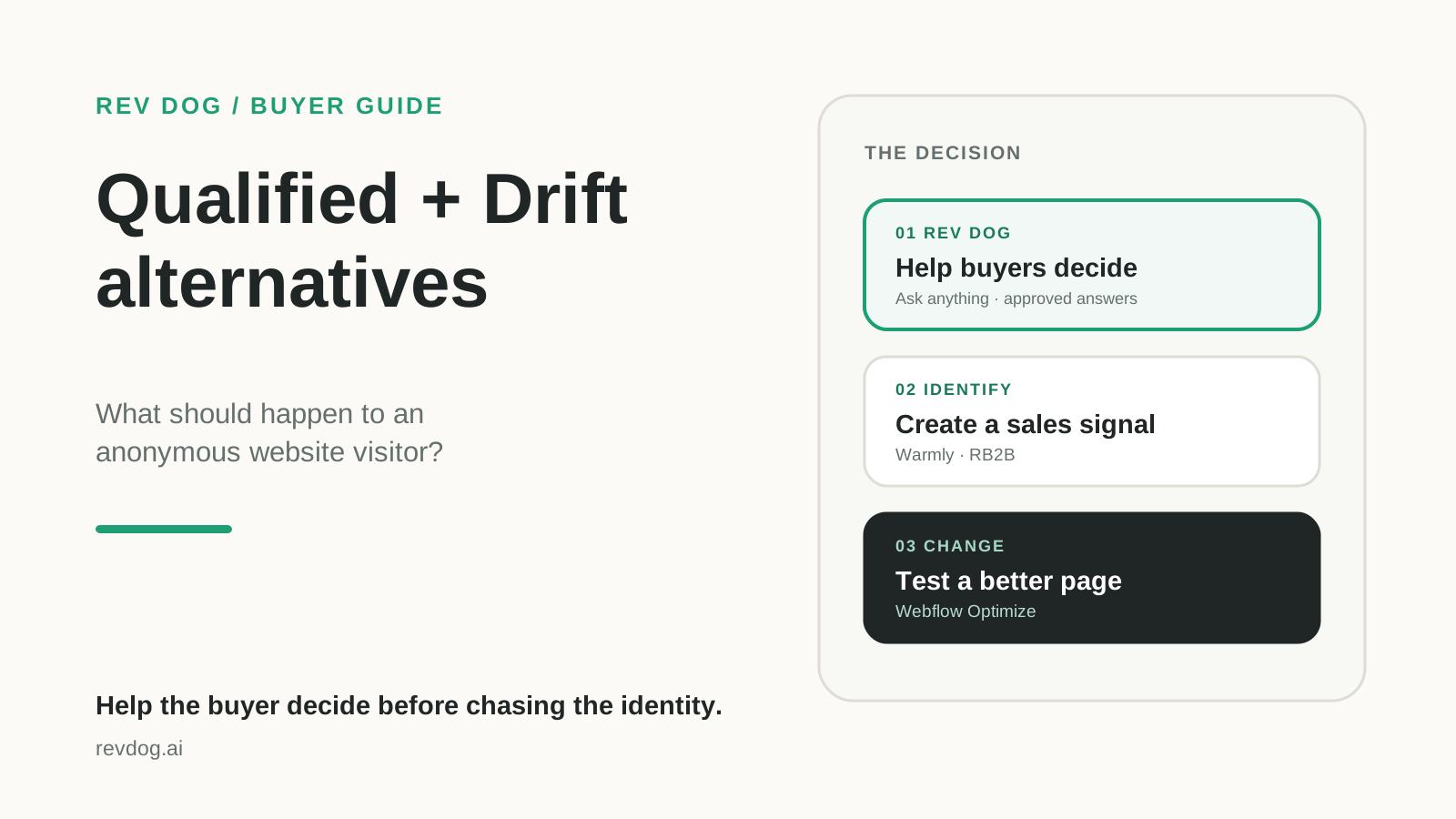
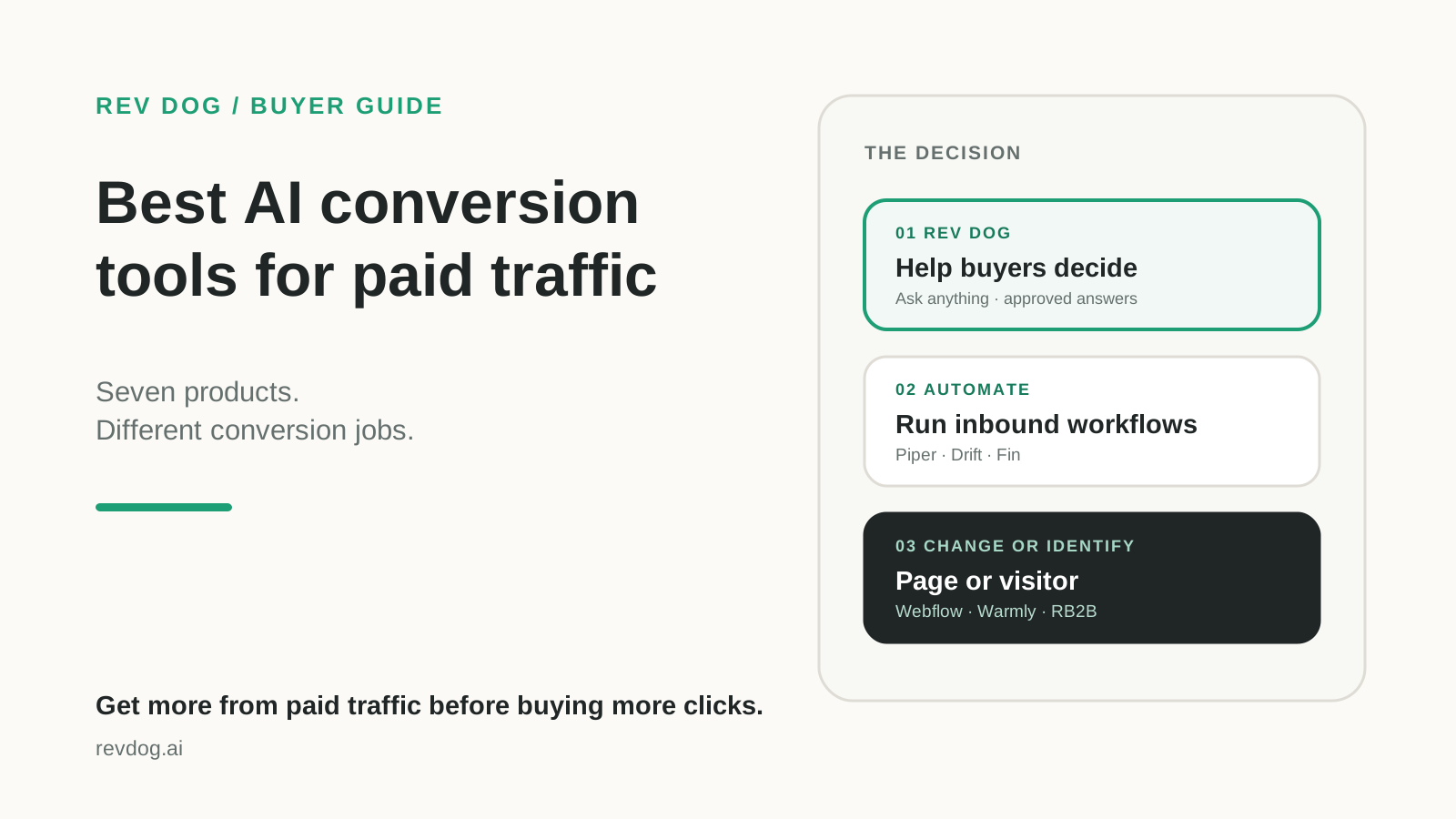
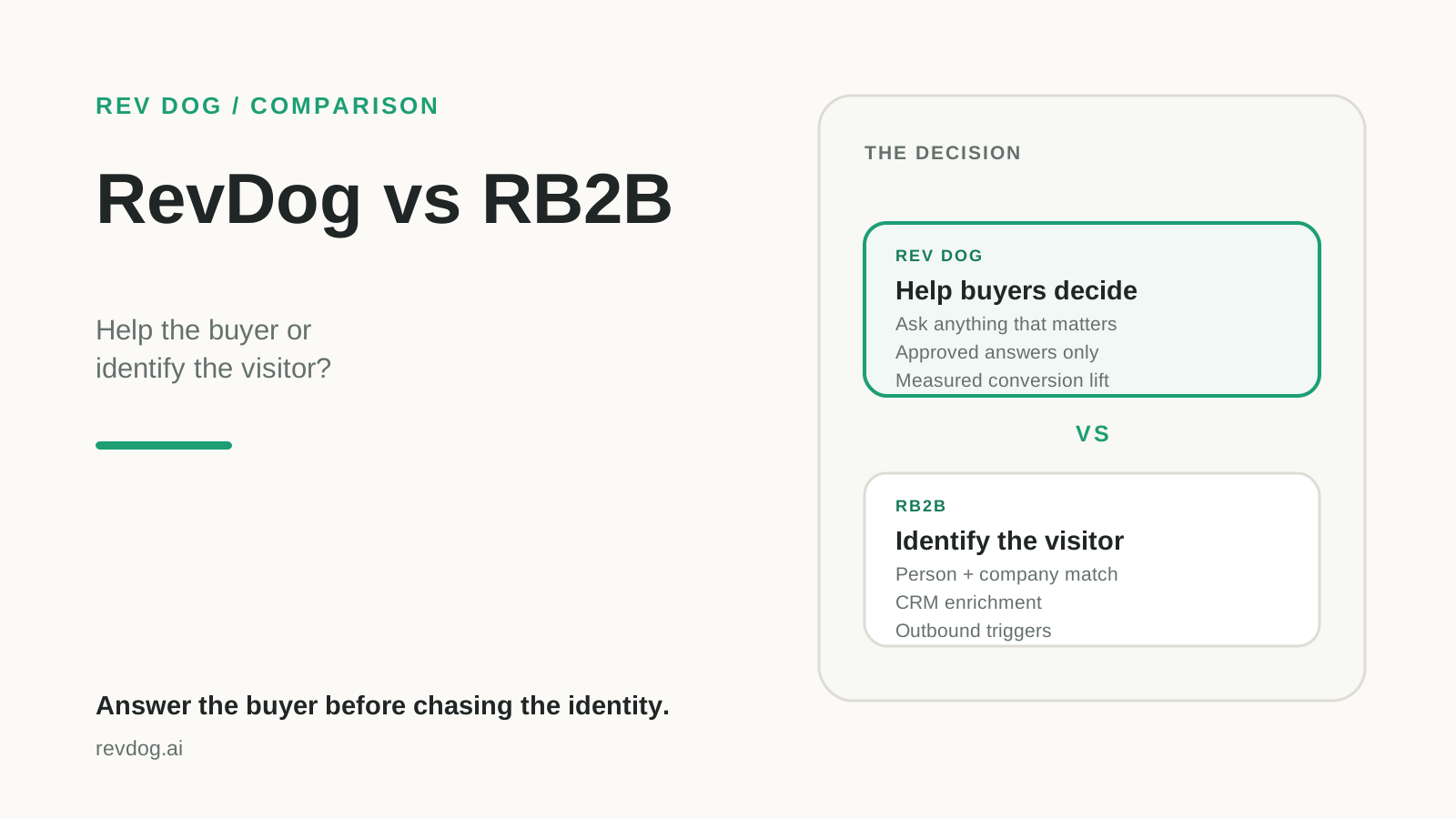
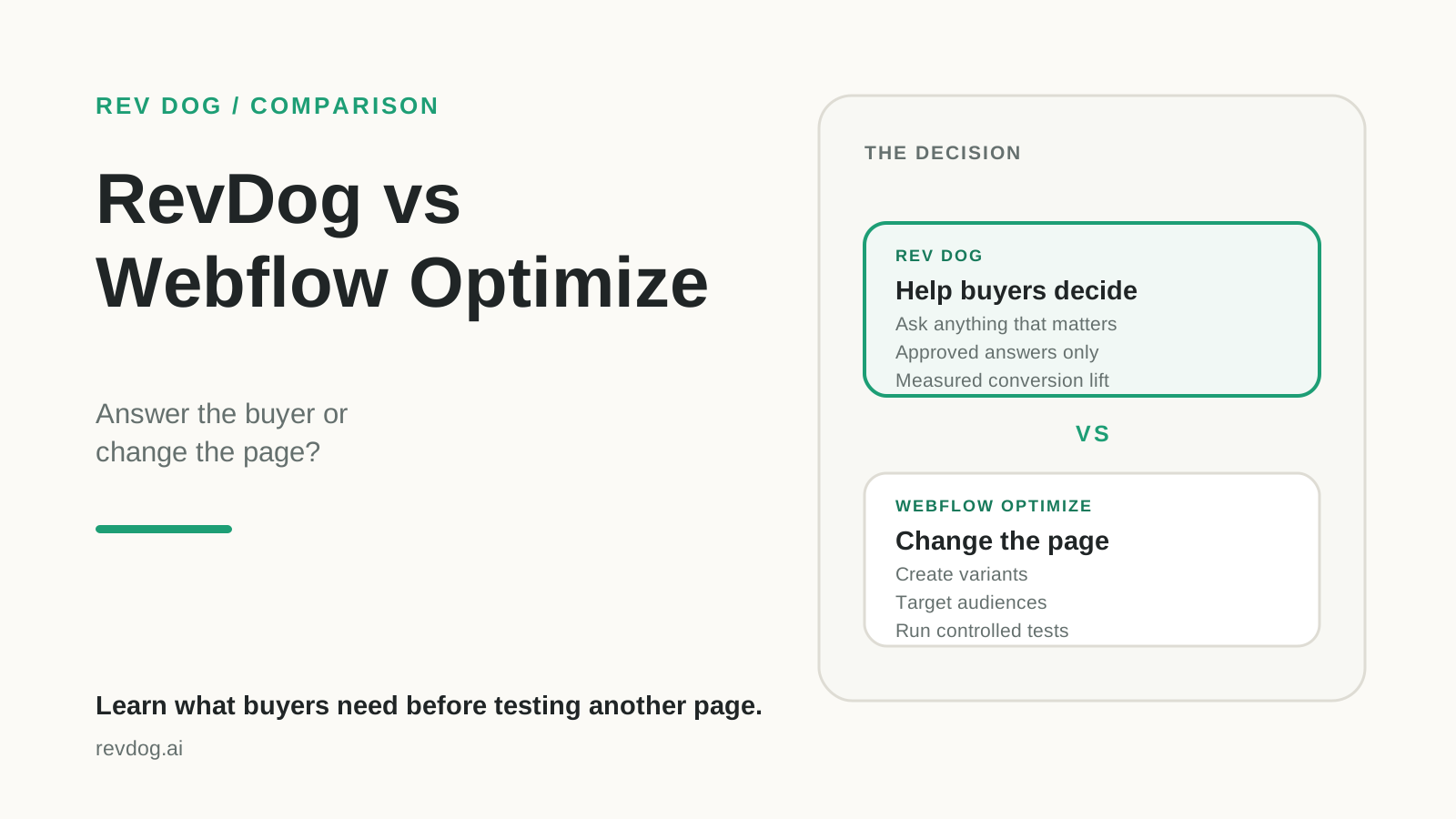
RevDog greets paid visitors with the promise from the ad they clicked, helps answer their next question using your approved content, and records the gaps visitors still encounter. Its built-in holdout compares visitors who see the companion with those who do not, so you can distinguish real incremental conversions from a flattering attribution story.